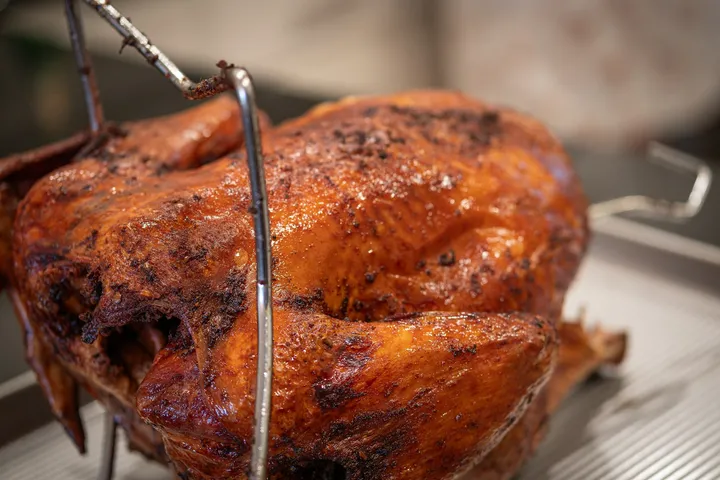
Pellet grill turkey
Set the grill to 300°F with cherry and pecan pellets and plan on about 3 hours 15 minutes for a brined 14 lb turkey. Pull when the breast reads 162°F and the thigh 175°F, then rest it 30 minutes.
- Grill
- 300°F
- Pull at
- Time
- 4 hr
Smoked turkey breast on a pellet grill: brine overnight, smoke at 250°F on apple and hickory, finish at 375°F for the skin, pull at 160°F. About 2.5 hours.
Each recipe gives the pellets, grill temperature, pull temperature and time first. Pull temperatures meet USDA minimums or the doneness barbecue cooks aim for, whichever is higher. Our own cook photos are being added page by page; current photos are credited stock.
Smoke at 250°F on apple and hickory pellets, then turn the grill up to 375°F when the breast reads 150°F. A 6 to 7 lb bone-in breast takes about 2.5 hours; pull at 160°F and rest 20 minutes to reach 165°F.
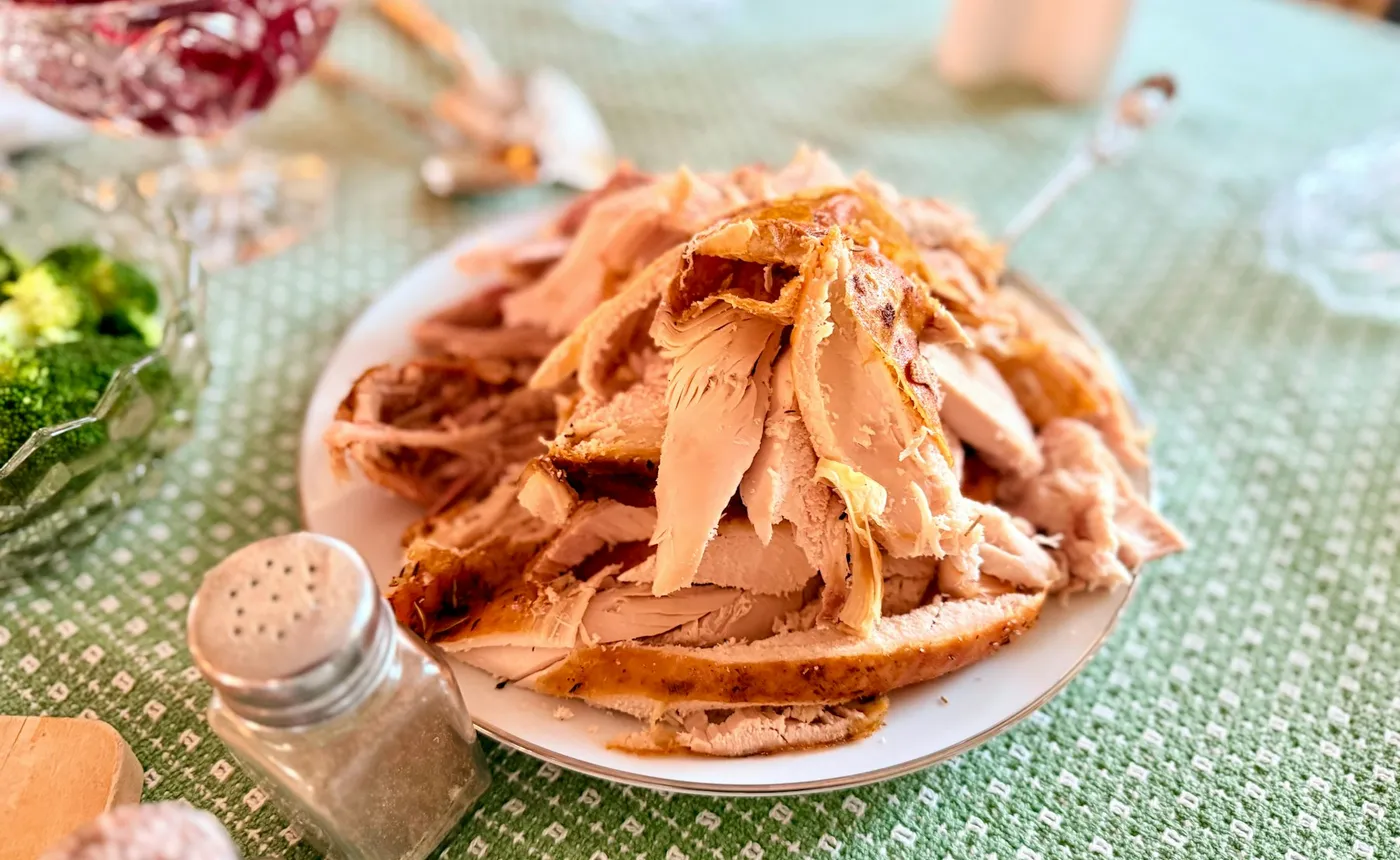
A 6 to 7 lb bone-in turkey breast smokes in about 2.5 hours at 250°F, with the grill turned up to 375°F for the last 15 to 20 minutes so the skin crisps. Pull it at 160°F, rest it 20 minutes, and carryover takes it to 165°F.
This recipe is written for a Traeger, with apple and hickory pellets in the hopper at two to one and an overnight brine behind it. It’s the smallest of the turkey cooks in the poultry recipes, and the one that goes wrong most often, because breast meat has no fat to cover for a mistake. A table of six that doesn’t want a whole bird is who this page is for. If you do want the whole bird, smoking a turkey on a pellet grill has its own page.
The usual first turkey breast goes on unbrined at 225°F and comes off at 170°F, because the cook got nervous. Safe, smoky and dry as a paper towel. The brine, the 160°F pull and the hot finish below are the three fixes for it.
Buy a bone-in, skin-on breast between 6 and 7 lb if the store has one. The bone slows the cook a little, which helps the meat stay moist, and the skin protects the top of the lobes through two hours of smoke. A 7 lb bone-in breast feeds 6 to 8 with some left for sandwiches.
| What’s on the shelf | How it cooks | My take |
|---|---|---|
| Bone-in, skin-on breast, 6 to 7 lb | 2.5 to 3 hours, this method | The one to buy |
| Boneless roast in netting, about 3 lb | 1.5 to 2 hours, same temps | Fine; leave the netting on until slicing |
| Breast labeled “enhanced” or “up to 15 percent solution” | Same times | Skip the brine or it’ll be too salty |
| Loaf-shaped roast with a gravy packet | Same times | Pass; it’s processed and doesn’t take smoke well |
The boneless roasts are usually two lobes tied together with skin wrapped around, and they smoke fine. The difference is that they have no bone to buffer the heat, so the window between done and dry is shorter by a few minutes. Check them early.
| Cut | Grill temp | Approximate time | Pull at |
|---|---|---|---|
| Bone-in breast, 5 to 6 lb | 250°F, then 375°F | 2 to 2.5 hours | 160°F, rests to 165°F |
| Bone-in breast, 6 to 7 lb | 250°F, then 375°F | 2.5 to 3 hours | 160°F, rests to 165°F |
| Bone-in breast, 8 to 9 lb | 250°F, then 375°F | 3 to 3.5 hours | 160°F, rests to 165°F |
| Boneless roast, 3 lb | 250°F, then 375°F | 1.5 to 2 hours | 160°F, rests to 165°F |
| Bone-in breast, 6 to 7 lb | 325°F the whole way | 1.75 to 2 hours | 160°F, rests to 165°F |
Times are for a breast that went on cold from the fridge, on a grill holding 250°F at the grate on a day above 40°F. The hot finish adds about 15 minutes of that total, and a cold day adds another 20 to 30. For weights in between, the smoke time calculator gives a starting point.
The last row is the shortcut. If you’d rather not touch the controller mid-cook, run 325°F from start to finish; the skin crisps on its own and the cook is 45 minutes shorter, and you give up some smoke flavor for it. For a holiday table I’d do the two-stage version. For a Tuesday, 325°F.
Three quarters of a cup of kosher salt and a quarter cup of brown sugar go into a quart of hot water with the bay leaves and peppercorns. Once it’s dissolved, add 3 quarts of cold water and put the whole thing in the fridge until it’s cold. A 2 gallon zip bag set inside a bowl holds a 7 lb breast with less brine than a bucket would need.
Give it 8 to 12 hours. A breast is a lot smaller than a whole bird and it takes salt faster, so the brine that’s right for a turkey overnight starts to cure a breast past 12 hours.
When it comes out, pat it dry and set it on a rack over a sheet pan, uncovered, in the fridge for 2 to 4 hours. The skin needs to dry until it looks matte. Half of crisp skin is that drying time, and the other half is the 375°F finish.
Slide your fingers under the skin from the wide end and push 2 tablespoons of soft butter against the meat on each lobe, then spread the rest over the top. Season with the pepper, garlic powder, sage and paprika. There’s no salt in that rub on purpose; the brine already salted the meat, and doubling up is the easiest way to ruin the gravy too.
If a bucket and a bag aren’t happening this week, a dry brine works. Rub about 2 tablespoons of kosher salt over and under the skin, leave the breast on a rack in the fridge overnight, and don’t rinse it. The skin comes out drier and crisps better, and the meat is a shade less juicy than a wet brine gives. Fridge space is usually what decides between the two.
Apple and hickory, two parts to one, is the pellet mix. Apple is mild and sweet and suits turkey, but on its own it barely registers in a 2.5 hour cook. A third of hickory gives the smoke some backbone. Pecan in place of the hickory is a good swap.
Set 250°F and let the grill settle for 15 minutes with the lid closed. The breast goes skin side up on a wire rack inside a foil pan with a cup of stock underneath, which catches drippings for gravy and keeps them from scorching. Push a leave-in probe into the thickest lobe from the side, parallel to the bone and not touching it.
Close the lid for 90 minutes and find something else to do. Opening it to look costs about 25°F and five minutes of recovery, and nothing is happening in there that you can help with.
At 90 minutes, turn the pan end for end. Most pellet grills run hotter at one end, and without that turn one lobe can finish a good 10 minutes ahead of the other. A 6 lb breast is usually reading 125 to 135°F at this check.
When the probe hits 150°F, it’s time for the skin. At 250°F turkey skin never crisps; the fat under it doesn’t get hot enough to render, so the skin stays pale and chewy however long it sits. Turn the controller to 375°F. The grill takes about 10 minutes to climb, and in the 15 to 20 minutes after that the skin renders, tightens and browns while the meat covers its last 10°F.
Pit tip: Lift the rack out of the foil pan before the hot finish and set it straight on the grate. Leave the breast in the pan and the pan walls shade the sides, so only the top crisps while the sides stay soft and grey. The grill’s grease tray can handle 20 minutes of drips.
If the cook drifts, here’s what I’d do:
| Problem | Fix |
|---|---|
| Lobes more than 5°F apart near the end | Cut the smaller lobe off the bone at 160°F and give the bigger one 5 to 10 more minutes |
| Skin still pale at 158°F | Pull at 160°F anyway; crisp the skin for 3 minutes under the oven broiler while it rests |
| Grill won’t climb past 340°F on a cold day | Set the controller to 400°F and judge by skin color |
| Breast at 150°F much sooner than planned | Hot day or a small breast; start the finish early, the pull number doesn’t change |
Take the breast off when the probe reads 160°F in the thickest part of the bigger lobe, and confirm with an instant-read in the other lobe and close to the bone. A 6 lb breast carries over about 5°F during a 20 minute rest and settles at 165°F, which is the USDA number and still the juicy side of white meat. At 170°F it starts going stringy. By 175°F it’s sandwich filling that needs a lot of mayonnaise.
Tent it loosely with foil and rest it 20 minutes. Loose matters, because tight foil traps steam and undoes the skin you finished it hot for. Then run a knife down each side of the breastbone, lift each lobe off whole, and slice it across the grain about a quarter inch thick. Slicing on the bone gets you ragged pieces and less skin per slice.
A breast cooks fast enough that weather doesn’t change the plan, but it moves the clock. On a 30°F day with wind, expect the 250°F stage to run about 25 minutes longer and the grill to burn about a third more pellets than usual. The hot finish is where cold hurts more, since a grill asked for 375°F in that weather may only reach 340°F at the grate. Set it to 400°F and watch the skin color rather than the display.
Hot days run the other way. At 85°F the grill coasts, the smoke is thinner, and the breast can reach 150°F 15 minutes early, so start checking at 75 minutes.
On a small pellet grill the pan may end up right over the fire pot, where the stock boils off and the bottom scorches. Set a second rack or an empty sheet pan under the foil pan for a buffer, or place the breast toward the end away from the fire pot and skip the rotation.
A 7 lb bone-in breast serves 6 to 8 with sides. The pan drippings make a gravy that’s smoky from the apple wood and already salty from the brine, so taste before adding anything. Smoked mac and cheese fits on the other side of the grate for the last hour at 250°F, and for a bigger holiday table a breast plus a smoked ham covers everyone without the work of a whole bird.
Leftovers keep three to four days in the fridge. Store the meat sliced with a splash of stock so it stays moist, or better, store the lobes whole and slice them cold. Cold smoked turkey breast on rye with grainy mustard is the best sandwich anything on this site produces, and I’ve written the pulled pork page.
Apple and hickory, two to one, gives turkey a sweet smoke with enough hickory to taste after the gravy goes on. With only one bag, pecan by itself is the best single wood I know for poultry. The best pellets for smoking guide covers which brands burn clean and which are mostly oak filler.
A leave-in probe in the thick lobe is what lets you walk away for 90 minutes, and an instant-read in the second lobe is what keeps you honest before you pull. The ones worth the money for both jobs are in best wireless meat thermometers.
thepelletpit.com/recipes/turkey-breast/
Brine overnight
Dissolve the salt and sugar in a quart of hot water with the bay and peppercorns, add the other 3 quarts cold, and chill it. Submerge the breast in the fridge for 8 to 12 hours.
Dry the skin
Lift the breast out and pat it dry. Leave it uncovered on a rack over a sheet pan in the fridge for 2 to 4 hours, until the skin looks matte.
Butter and season
Work 2 tablespoons of butter under the skin on each side and spread the rest over the top. Season with the pepper, garlic powder, sage and paprika, and leave out salt.
Preheat to 250°F
Fill the hopper with apple and hickory pellets, two parts apple to one hickory. Set 250°F and let the grill hold there for 15 minutes.
Smoke for 90 minutes
Set the breast skin side up on a rack in a foil pan with the stock underneath, and probe the thickest lobe from the side, parallel to the bone. Close the lid for 90 minutes.
Rotate and check
Turn the pan end for end so the lobes swap ends of the grill. A 6 lb breast usually reads 125 to 135°F at this point.
Finish at 375°F
When the probe reads 150°F, lift the rack out of the pan, set it straight on the grate, and turn the grill to 375°F. Cook 15 to 20 minutes, until the breast reads 160°F.
Rest and slice
Pull at 160°F, tent loosely with foil and rest 20 minutes. Cut each lobe off the bone in one piece and slice across the grain about a quarter inch thick.
About 2.5 hours for a 6 to 7 lb bone-in breast at 250°F, counting the 15 to 20 minute hot finish. A 3 lb boneless roast takes 1.5 to 2 hours. Go by the probe, pulling at 160°F, rather than the clock.
250°F for most of the cook, then 375°F for the last 15 to 20 minutes. Holding 250°F the whole way gives you good smoke and pale, chewy skin, because the fat under the skin never gets hot enough to render.
Yes, for 8 to 12 hours. White meat has almost no fat, and the brine is what keeps it from eating like chalk. Skip it only if the label says the breast was injected with a solution, since the plant already salted it.
Pull at 160°F. A 6 lb breast climbs about 5°F during a 20 minute rest and finishes at 165°F. Pull at 165°F and it ends up near 170°F, where the meat starts to turn dry and stringy.
Set the grill to 300°F with cherry and pecan pellets and plan on about 3 hours 15 minutes for a brined 14 lb turkey. Pull when the breast reads 162°F and the thigh 175°F, then rest it 30 minutes.
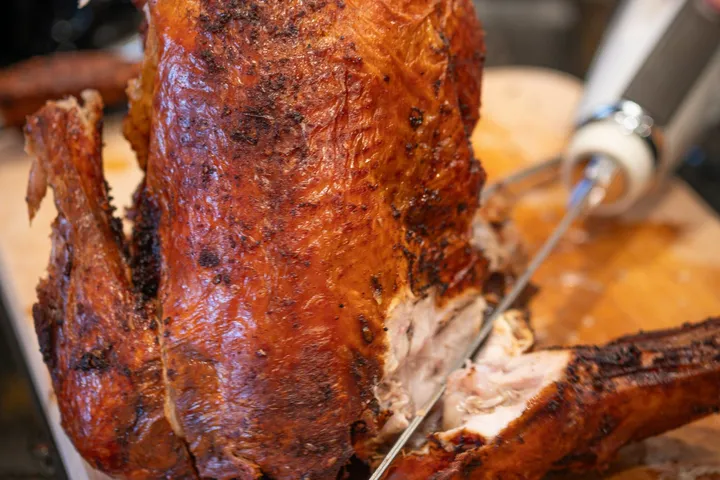
Cook the flattened bird at 300°F on cherry and hickory pellets; a 13 lb turkey takes about 2 hours. Pull when the breast reads 162°F and the thigh 175°F, then rest it 20 minutes.
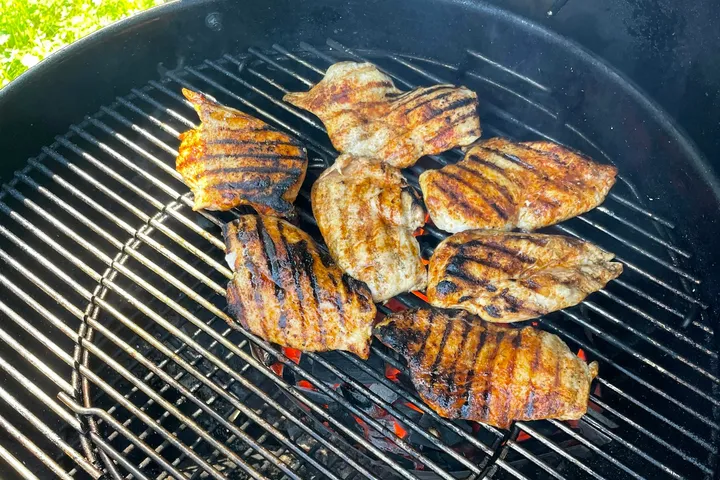
Brine the breasts for 45 minutes, then smoke them at 250°F on apple pellets for 50 to 70 minutes, about 2 hours start to finish. Pull each one at 160°F and rest it 5 to 10 minutes to reach 165°F.
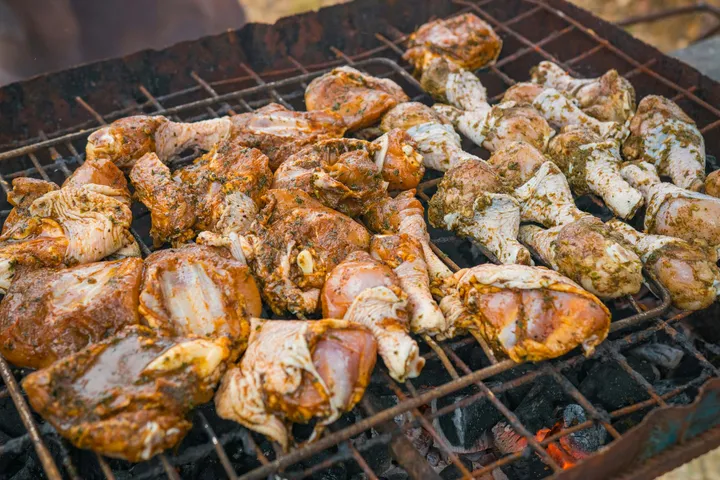
Smoke drumsticks at 275°F on hickory pellets for 45 minutes, then turn the grill to 400°F for 15 to 20 minutes, about 70 minutes in all. Pull at 180°F next to the bone.