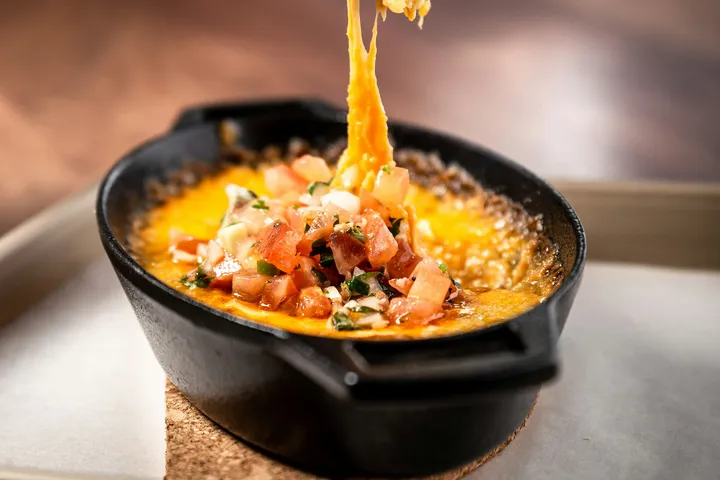
Smoked queso
Set the grill to 250°F with pecan pellets and put the loaded foil pan on uncovered, stirring at 30 and 60 minutes. Pull it when it is smooth and about 160°F in the middle, usually 60 to 90 minutes.
- Grill
- 250°F
- Pull at
- Time
- 110 min
Smoked mac and cheese on a pellet grill: 45 to 60 minutes at 250°F in a cast iron skillet, block cheddar and gouda, one stir and a panko top added halfway.
Each recipe gives the pellets, grill temperature, pull temperature and time first. Pull temperatures meet USDA minimums or the doneness barbecue cooks aim for, whichever is higher. Our own cook photos are being added page by page; current photos are credited stock.
Put the skillet on uncovered at 250°F with apple or cherry pellets (or whatever the meat is running), stir once at 20 minutes, add the panko at 30, and pull at 165°F in the center. It takes 45 to 60 minutes.
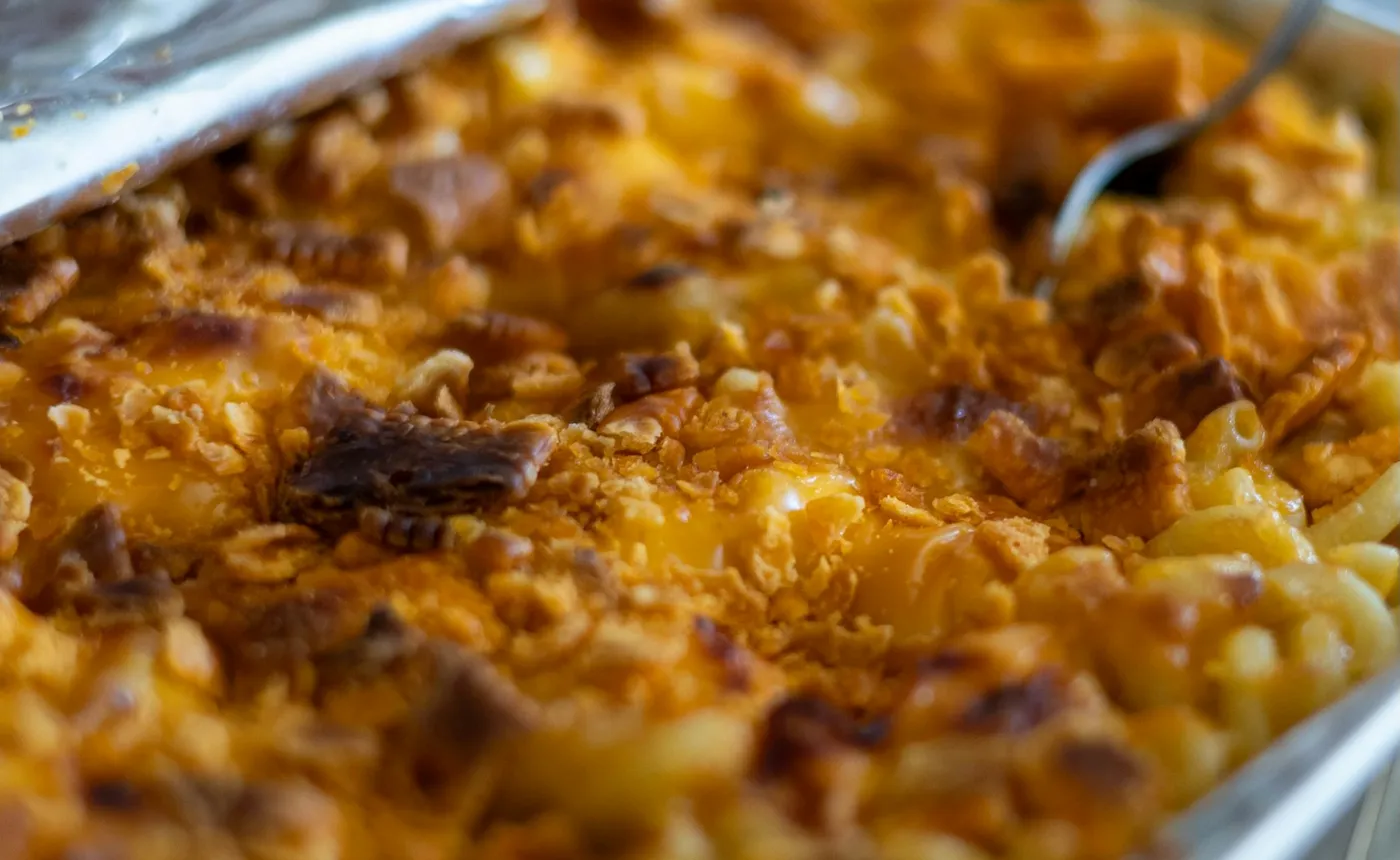
An hour is about the limit for smoked mac and cheese on a pellet grill. At 250°F, a 12 inch cast iron skillet is done in 45 to 60 minutes, when the edges bubble and the center reads 165°F, and leaving it longer only lets the pasta soak up the sauce.
Most of the time it shares the grill with something else. This recipe is written for a Pit Boss, and it sits happily under two racks of ribs on whatever hickory and cherry the ribs are running. On its own I’d use apple. Of everything on the sides and seafood page, it’s the one I’d learn first.
Three choices decide how it turns out: pasta cooked 2 minutes short, a sauce that goes on looser than seems right, and a panko top that waits until halfway. Leave a skillet on for 90 minutes while the ribs drag and the first two become obvious: the pasta drinks every drop of sauce and you serve a dry, grainy brick with a bitter top. Pull at 50 minutes with an extra half cup of milk in the sauce and the same dish stays loose and creamy.
Use a pound of elbows, cavatappi or shells, something with a hollow or a curl to hold sauce. Fresh pasta and thin shapes turn to mush over an hour on the grill.
The cheese decides the dish, so buy blocks and grate them yourself. Bagged shredded cheese is dusted with starch to stop it clumping, and that starch is what makes a sauce grainy. I use 12 oz of sharp cheddar for flavor, 8 oz of smoked gouda or gruyere because they melt smoothly, and 4 oz of cream cheese to keep the sauce from breaking. Pick a sharper cheddar than you think you need, because the milk and the smoke both mellow it.
Use 4 cups of whole milk and real butter. Swapping one cup of the milk for evaporated milk makes the sauce more stable, which helps if your mac tends to wait on the meat.
| Pan | Grill temp | Time | Pull at |
|---|---|---|---|
| 12 inch cast iron skillet (1 lb pasta) | 250°F | 45 to 60 minutes | 165°F in the center, bubbling edges |
| 9 by 13 inch foil pan (1.5 lb pasta) | 250°F | 60 to 75 minutes | 165°F in the center, bubbling edges |
| Two 8 inch pans (1/2 lb pasta each) | 250°F | 35 to 45 minutes | 165°F in the center, bubbling edges |
| 12 inch skillet | 225°F | 60 to 75 minutes | 165°F in the center, bubbling edges |
| 12 inch skillet | 275°F | 35 to 45 minutes | 165°F in the center, bubbling edges |
| Reheat from the fridge, covered | 300°F | 25 to 30 minutes | 165°F |
The meat usually sets the grill temperature, so find the row that matches your main cook. The smoke time calculator is built for meat, and here the thermometer and the bubbling edges tell you more. Work backward from when the meat comes off. For ribs or a brisket that needs a rest, the mac goes on as the meat comes off, and both reach the table together.
Pit tip: If the mac finishes before the meat, cover it with foil and move it to the grill’s top shelf or the counter. It holds for about 45 minutes without drying out.
Cook the pasta in salted water for 2 minutes less than the box says. It finishes cooking on the grill and soaks up a lot of liquid while it does. Drain it and toss it with a tablespoon of butter so it doesn’t clump while you make the sauce.
The sauce is a plain white sauce. Melt 4 tablespoons of butter in a pot, whisk in 4 tablespoons of flour and cook it for a minute. Pour in the milk a cup at a time, whisking and letting it thicken a little after each addition. Take it off the heat and stir in the cream cheese until it disappears, then the grated cheese a handful at a time. Season with a teaspoon of mustard powder, half a teaspoon of garlic powder, a few shakes of hot sauce, salt and pepper.
It should be looser than you’d want on a plate, because it thickens on the grill. If it already coats a spoon thickly in the pot, add another half cup of milk.
Fold the pasta into the sauce and pour it into a buttered 12 inch cast iron skillet. Leave the top bare for now.
Mix a cup of panko with 3 tablespoons of melted butter and a pinch of your barbecue rub. Set it aside for the halfway point.
The main cook usually picks the pellets for you. Hickory and cherry under ribs or oak and hickory under brisket both work, because dairy takes on smoke quickly and the dish is only on for an hour. If the mac is cooking alone, use apple or cherry. An hour of straight hickory gets close to too much, and mesquite goes past it.
Set the grill to 250°F or leave it where the meat needs it. Put the skillet on the grate uncovered, away from the hot end, which on many Pit Boss grills means the far side from the hopper. Sitting under the meat is fine; rib drippings landing in the mac only make it better.
Close the lid. At 20 minutes, open it and give the mac one stir from the edges to the middle. That folds the cheese that has set around the rim back into the dish, along with the smoke that has settled on top. Stir more than once and the pasta starts to break up.
Beyond the 90 minute brick, the other common mistake is putting the panko on at the start. By the time the mac is hot, the crumbs are black and taste like the inside of the chimney. Put the panko on at 30 minutes, after the stir, so it has 20 to 30 minutes to toast. If the top is browning faster than the middle is heating, lay a loose sheet of foil over the skillet.
From 30 minutes on, keep an eye on the edges. When the sauce bubbles steadily around the rim and the top is golden, push an instant-read into the center.
Pull it at 165°F in the center with the edges bubbling, usually between 45 and 60 minutes at 250°F. Earlier, the middle is lukewarm. Later, the pasta has absorbed the sauce. There’s almost no carryover in a skillet, so pull it as soon as it reads done.
Let it stand 5 to 10 minutes before serving. The sauce sets a little and the first scoop holds its shape instead of running across the plate.
If you pulled it early to wait for the meat, keep it covered with foil, because uncovered on the counter the top dries out. For a wait longer than 45 minutes, put it back on the grill covered, at whatever the grill is running, for 15 minutes before you serve.
Cold barely changes this cook, because the dish is shallow and already hot when it goes on. On a 35°F day, expect about 10 minutes more. Wind does more harm: it swings the grate temperature and the top browns unevenly. On a windy day, turn the skillet a half turn when you add the panko.
Keep the skillet away from the hot end. Cast iron sitting over the hottest part of the grill scorches the bottom layer before the middle warms up, and burnt cheese welded to cast iron is an evening of scrubbing. The middle or the cool end is fine. A top shelf, if your grill has one, is better still, with gentle heat, plenty of smoke and no competition with the meat for grate space.
In summer, when the grill coasts and the fire cycles less, the mac picks up less smoke in an hour. I don’t fight it. It’s a side dish, and the meat will carry the smoke for the table.
A 12 inch skillet feeds 8 to 10 as a side. Under pulled pork it catches the drippings, and next to brisket it’s the dish people go back to. Stir a cup of chopped leftover brisket through it before the panko goes on and it turns into a main course.
Leftovers keep 4 days in the fridge. Stir in a splash of milk and reheat covered at 300°F, in the oven or on the grill, for about 25 minutes. The microwave makes it oily. It doesn’t freeze well, because the sauce breaks when it thaws.
To get the same cheese and smoke into a dip during the same session, smoked queso runs at the same temperature and fits on the grate beside it.
Apple or cherry when the mac cooks alone, whatever the meat is running when it doesn’t. Dairy picks up smoke within minutes, so a mild wood is the safe choice and a strong one should be a deliberate decision. The pellet brands that are honest about what’s in the bag are in best pellets for smoking.
An instant-read is the only thermometer this dish needs, pushed into the center once at the 45 minute mark. The one I’d keep by the back door is in best wireless meat thermometers, alongside the leave-in probes you’ll want for whatever meat is on the grate above.
thepelletpit.com/recipes/mac-and-cheese/
Undercook the pasta
Boil the pasta in salted water for 2 minutes less than the package time. Drain it and toss with a tablespoon of butter.
Build the white sauce
Melt the butter, whisk in the flour and cook for 1 minute. Add the milk a cup at a time, whisking until smooth and lightly thickened, then take the pot off the heat.
Melt in the cheese
Stir in the cream cheese, then the grated cheeses a handful at a time, then the mustard powder, garlic powder, hot sauce, salt and pepper. Leave it looser than you would serve it.
Fill the skillet
Fold the pasta through the sauce and pour it into a buttered 12 inch cast iron skillet. Leave the top bare for now.
Set the grill
Run the grill at 250°F, or leave it wherever the meat needs it. If the mac is cooking alone, use apple or cherry pellets.
Smoke and stir once
Set the skillet on the grate uncovered, away from the hot end. At 20 minutes, give it one stir from the edges into the middle.
Add the topping
At 30 minutes, scatter the buttered panko over the top. If the top browns before the middle heats through, tent it loosely with foil.
Pull and rest
Take it off when the edges bubble, the top is golden and the center reads 165°F, usually 45 to 60 minutes in. Let it sit 5 to 10 minutes before serving.
45 to 60 minutes in a 12 inch skillet, or 60 to 75 minutes in a full 9 by 13 pan. Pull it when the edges bubble and the center reads 165°F. Much past an hour, the pasta soaks up the sauce and the dish dries out.
Yes. At 225°F it takes 60 to 75 minutes instead of 45 to 60. Anything from 225 to 275°F works, so set the grill for the meat and use the matching row of the timing table.
Usually pre-shredded cheese. The anti-caking starch on bagged cheese breaks the sauce. Grate from blocks, add the cheese off the heat, and use a little cream cheese to keep it smooth through an hour on the grill.
Apple or cherry when it cooks by itself, because dairy picks up smoke quickly and a mild wood is the safer bet. Sharing the grill with ribs or brisket, whatever the meat is running is fine for an hour.
Set the grill to 250°F with pecan pellets and put the loaded foil pan on uncovered, stirring at 30 and 60 minutes. Pull it when it is smooth and about 160°F in the middle, usually 60 to 90 minutes.
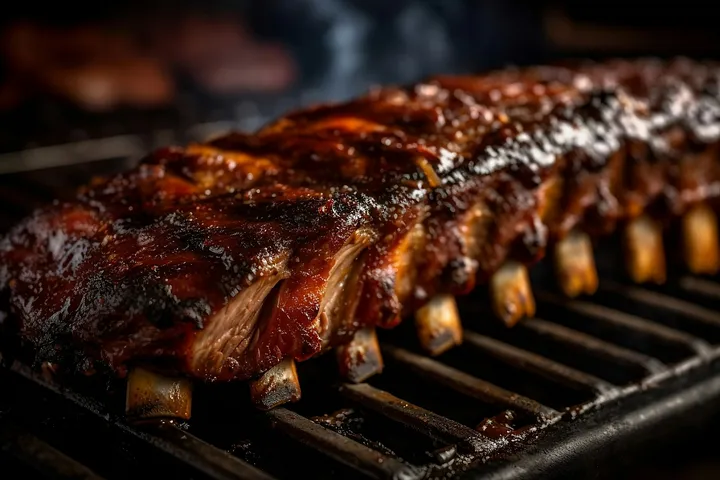
Set the grill to 250°F with half hickory, half cherry pellets and smoke St. Louis spares bone side down for about 5 hours (5.5 with prep). Pull at 198 to 203°F between the bones, when the rack bends and the bark cracks.
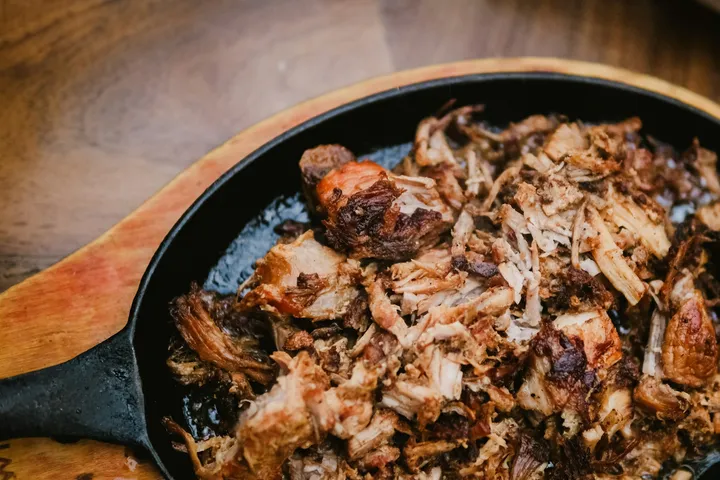
Smoke an 8 lb bone-in butt at 250°F on two parts hickory to one part apple, wrap in butcher paper at 165°F, and pull at 203°F when the probe slides in with no resistance. Budget about 11.5 hours including an hour's rest.
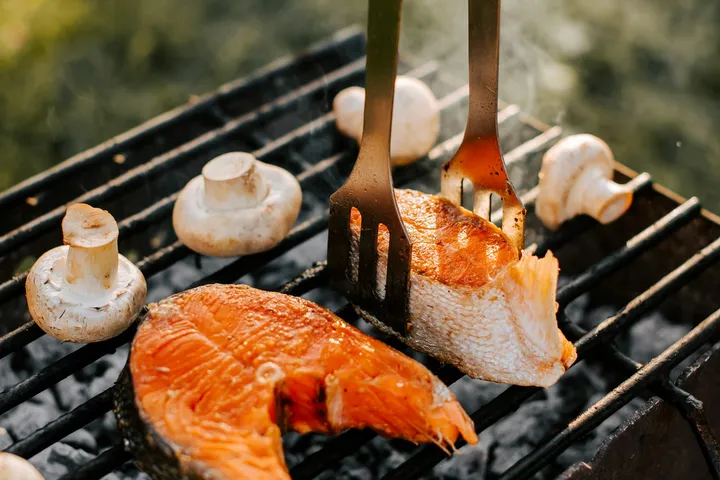
Run the grill at 225°F with alder pellets and cook the brined salmon skin side down without flipping. A 2 lb side reaches 130 to 135°F in the thickest part in about 45 to 55 minutes; pull it there.